


Iran Update

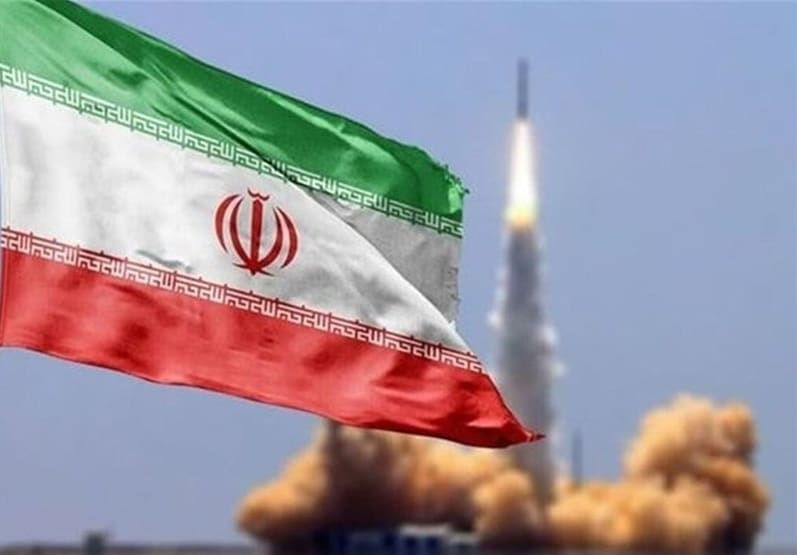
I’m sure most of you have seen the news over the past 24 hours that the US and Israel launched a joint operation against Iran. A lot has happened already, and the situation is ongoing, but I wanted to write a quick update ahead of markets opening tomorrow. What can we expect, what are some potential ramifications, how might this impact markets, and my portfolio.
Please Note:
As I was writing this post more events have unfolded, including Iran attacking energy infrastructure directly (something I predicted further down in the post), unfortunately it takes time writing these updates, so inevitably some information could be out of date by the time it is posted. I did not go back through and change anything I’ve written, because it could become a never-ending loop of adjustments as things develop.
The Current Situation
Yesterday the US and Israel launched operations targeting Iranian military and government sites. Within hours they reported that Iranian leader Ayatollah Ali Khamenei had been killed. Iran immediately responded to the attacks by launching waves of missile and drone attacks on regional allies to the US, initially targeting US military bases and key infrastructure such as airports.
The list of countries targeted by Iran in retaliation is extensive:
Bahrain - The famous 7 star hotel was damaged, but most strikes were on the US Navy base.
Qatar - The US’s $1.1Bn ‘Upgraded Early Warning Radar’ (UEWR) was destroyed quickly after the conflict began as the US airbase was heavily targeted.
Kuwait - Kuwait’s Ali Al Salem air base, which hosts UK and US forces was another early target, as was the airport.
UAE - Dubai International airport, residential buildings and hotels have all been hit by drone and missile attacks, with social media flooded with posts from stranded tourists and videos of missiles narrowly avoiding the world's tallest building the Birj Khalifa, leading to its evacuation.
Oman - Today Oman’s Duqm port was hit by Shahed 136 drone strikes, the oil tanker ‘Skylight’ was also struck.
Further from Iran, missile and drone attacks targeted military bases in Cyprus, Iraq, Saudi Arabia, Jordan and Israel, potentially drawing European countries into the conflict as they sought to defend their military assets in the region.
Iran also briefly closed the strait of Hormuz, before later clarifying that they would be specifically targeting US ships. Traffic through the strait eventually decreased to a small trickle as insurers warned operators they may cancel policies and increase prices.
It is expected that a new Supreme Leader of Iran is expected to be announced in the coming days, until which time it seems unlikely that we would see a major ceasefire.
Meanwhile, US and Israeli airstrikes continue, initially focused on Iranian military targets such as missile sites, today more strikes are hitting Iranian capital Tehran.
Market Impact
Oil
Unsurprisingly $OIL is significantly impacted by the conflict. Around 20% of global oil passes through the strait that’s currently disrupted. If traffic does not resume travel, major oil importing nations such as India, China and Japan could see inflation spike and productivity slow. Several analysts already expect Oil prices to surge to $100/barrel - prices last seen in 2022 following the COVID recovery.
Perhaps a more significant concern for Oil, is that the conflict could escalate further, and Iran may opt to follow Ukrainian tactics in their conflict with Russia and begin targeting Oil/Gas infrastructure. This would be much more impactful on global trade and the global economy as a whole, but could rally more nations to join the conflict.
Gas
$NATGAS is also impacted - 20% of the worlds LNG comes from Qatar, and unlike Oil which can potentially be transported through pipelines or land routes to some extent, LNG must be shipped. Like Oil, it’s Asia who are likely to be most heavily affected, with countries like India, South Korea and China importing around 50% of their LNG from the region.
Food
Another area often overlooked is food. The gulf states are major importers of food, as most crops can not be grown in the region. Although it’s easier to transport food by land, the perishable nature of food presents it’s own logistical challenges. If the conflict draws on without shipping re-opening, food inflation is very likely to ramp up in the region, and the cost of delivering food by air and land could jump.
Tourism
The UAE especially has made a name for itself as a tourist destination over the past decade, but with thousands stranded, we could see shifts as people avoid traveling to the country, and region more largely. Dubai International Airport is also one of the busiest connection hubs in the world, and many of the world's biggest airlines are based in the region overall. In the short term this could provide investment opportunities for competitors.
Renewables
After Russia invaded Ukraine, renewable energy projects were greenlit at rapid pace as Europe desperately sought to de-couple their energy needs from Russia. If Oil and Gas prices remain elevated, and the conflict looks to drag on for a prolonged period, we could see this trend accelerate further. Companies providing electrical infrastructure, nuclear, wind and solar could all benefit. This kind of infrastructure investment requires time and significant commitment though, so I only expect a big impact if the war shows no signs of de-escalation over the coming weeks.
Defence
Alongside fossil fuels, defence is an industry I try to avoid for ethical reasons. However, as with oil and gas it’s important to understand the moving parts and how the industry will be impacted. Of course, defence spending in the region is likely to accelerate dramatically. Countries in the region have no shortage of cash, and after decades of heavy reliance on the US and their military bases, the tangible visuals of explosions on their city streets will undoubtedly prompt spending on better defensive capabilities, especially if the conflict drags on. The strong ties between these nations and the US suggests American companies are likely to be the biggest beneficiaries in my opinion.
Geo Political Impact
Geo Politics has a much less direct relationship with investing, but often shapes long-term macro-economic trends, impacting everything from currency and commodity markets, to trade deals and the path to growth countries choose to pursue. I could write for a long time on Geo Political impact, but in the interest of finishing this post, I’ll highlight just one observation.
This conflict could have a big impact on the war between Russia and Ukraine. There are 3 main reasons for this:
Oil & Gas Revenue
The spike in Oil and Gas prices mean Russia can charge more for their Oil and Gas too, boosting revenue. Additionally, demand from countries like India and China could increase as they struggle to secure shipments from the gulf nations.
Iran’s Reduced Capacity to Support Russia
The Shahed 136 drones have been incredibly valuable to the Russian military. Iran now needs these drones for their own defense, so won’t be sending so many to Russia. Likewise ammunition and other weapons from Iran are much more likely to stay in Iran now.
Distraction and Opportunism
China will be carefully monitoring the situation and could make their own opportunistic moves on Taiwan. Likewise US and European intelligence agencies will be more distracted and have less capacity to support Ukraine. There’s also North Korea to consider. It all combines to draw attention away from the Ukrainian frontlines for both sides, but especially Ukraine’s allies.
My Portfolio
My portfolio doesn't have any direct exposure to the countries involved besides the US and to a much smaller extent Israel. Likewise, as mentioned above, steer clear from trading fossil fuels or defence.
Obviously the entire market will be impacted and we’re likely to see some downwards pressure on markets overall because markets hate uncertainty more than anything else.
There could be some upside for mining companies, but if energy prices push higher that could offset it. If the conflict is prolonged then the shift in spending on grid infrastructure and renewable energy may come to fruition, but this will come in the form of additional demand to an industry that’s already stretched to capacity with massive order backlogs and waiting lists.
Because the situation is so fluid, I’ll be making sure to keep a close eye on my portfolio throughout the next week.
Closing Comments
Obviously my thoughts are with everyone in the region, there is a healthy group of Popular Investors I consider friends living in the UAE, and I’m sure many followers, copiers and eToro community members and eToro colleagues living and working in countries surrounding Iran.
I hope everyone is able to stay safe, and ultimately, that this ends as quickly as possible. Please keep that in mind when commenting in the feeds.
If you liked this post, please consider giving me a follow or a copy, and I’m looking forward to hearing your thoughts on how this will affect markets.

Comments